

















You Know the Call
Something's broken. Maybe the phones, maybe the internet, maybe a bill that's suddenly double. You find the support number, which took ten minutes because it's buried under three layers of help articles telling you to restart your router.
Then the hold music. Forty minutes of it, with a recorded voice every so often telling you how important your call is.
When someone finally answers, they're polite. Very polite. They ask for your account number, then your ABN, which you spell out twice because the line is bad, and then the address, which you spell out again because they've never heard of Wagga Wagga. They read through some checks. Have you restarted the device? Yes. Twice. They read the next line anyway.
Then comes the sentence you knew was coming: "I'll escalate this to the relevant team."
You get a reference number. The email arrives at 2.14am. It asks for the account number, the address and a description of the problem. All things you've already given. You reply in the morning. The next reply arrives the following night, from someone different, asking whether you've tried restarting the device.
By Thursday you've lost three days, a bit of sleep and most of your patience. The problem might be fixed. It might not. Nobody has actually said.
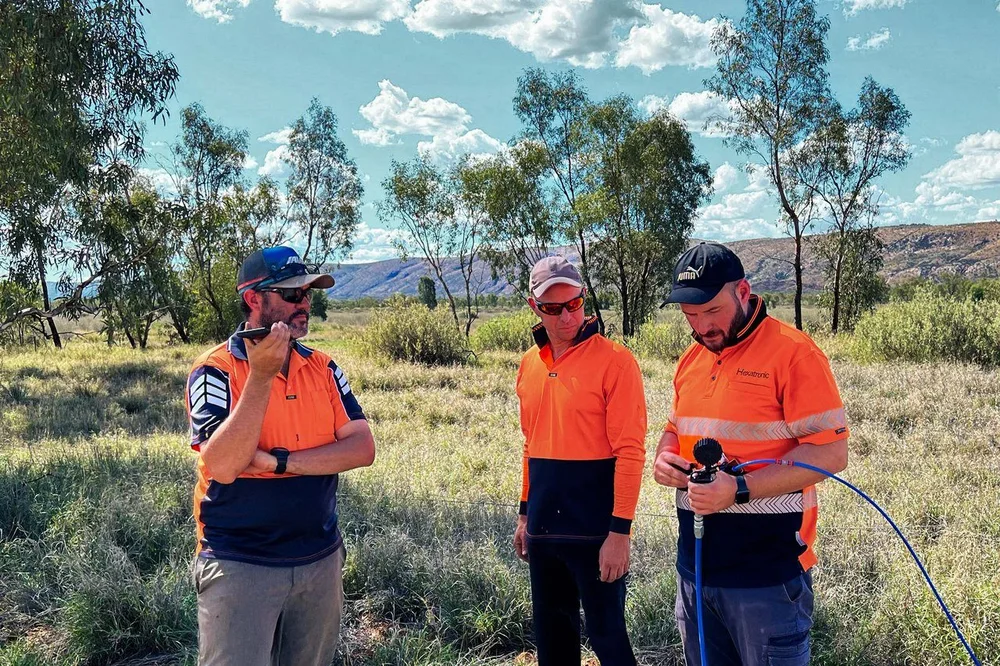
If you've run a business in Australia for more than a year or two, you probably don't need us to describe this. You've lived it, with a phone company, a software platform, a payment provider or a marketplace you rely on. We hear versions of it from business owners all the time, usually just before they say "I just want to talk to someone who can actually fix it."
Why It Keeps Happening
Here's the thing we want to say clearly, because it often gets lost: the person on the other end of that call usually isn't the problem.
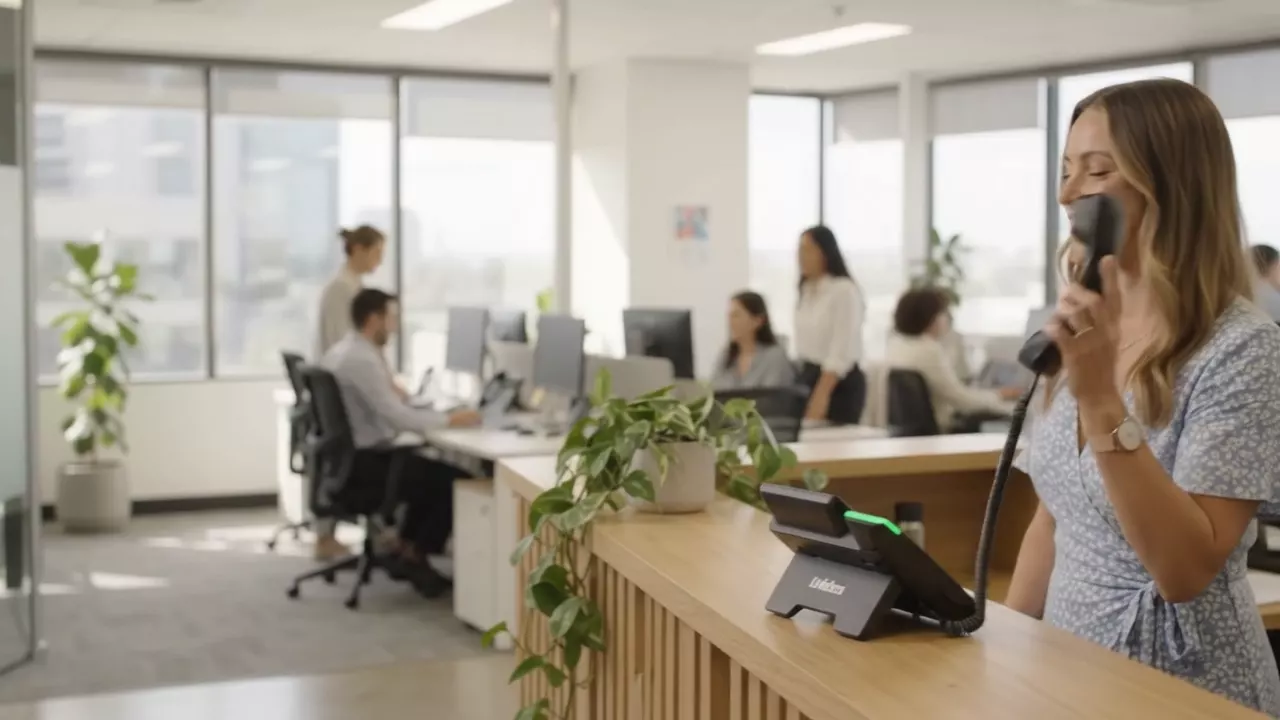
Most of them are doing exactly what they've been told to do. They're measured on how quickly they get off the call and how closely they follow the script. They often have no access to the systems that could fix your issue. They can't issue a credit, can't call the network team, can't make a judgement call. So they do the only thing they're allowed to do, which is raise a ticket and move on to the next caller.
The ticket then goes to a team that may be eight or ten hours behind us. They pick it up during their working day, which is our night. If anything's missing, they ask, and you answer during your working day, which is their night. A problem that needs three questions and answers can take a week, and nobody involved has done anything wrong by their own rules.
Above all of that sits a simpler truth. For a large company based somewhere else, Australia is often a small market. We're about 27 million people. To a company selling to hundreds of millions, that's a small slice. Decisions about staffing, support hours and how much power frontline people have are made a long way away, by people who'll never ring their own support line from a ute outside Dubbo. It's not malice. It's distance. But from where you're sitting, the result looks and feels exactly like not caring.
Nobody on the Other End Knows Our Rules
The other frustration is harder to put your finger on. It's the feeling that you're explaining Australia to someone who's never been here.
Phone and internet services in Australia run on rules that are very specific to us. Moving a number between providers is governed by ACMA's rules, and a number that's been disconnected goes into quarantine and can't be moved at all. Most businesses connect through the nbn, which has its own fault process, appointment windows and technician bookings. Emergency calls to 000 come with obligations for anyone selling a phone service. The Privacy Act sets out how customer information has to be handled. And under the Australian Consumer Law, a business can be a "consumer" for services costing up to $100,000, which means the consumer guarantees can apply to what you've bought.
Someone working from a script written for another country doesn't know any of that, and it isn't fair to expect them to. But when your business number is stuck halfway through a port, or your nbn fault needs a technician, "I'll escalate it" isn't an answer. You need someone who already knows how it works here.
Then there's the fine print. Plenty of overseas providers sell to Australians under terms written for another country, with disputes handled under foreign law and data stored wherever is cheapest that month. Most people only notice when something goes wrong and they go looking for who they can actually complain to. We've written separately about where your data lives and whose laws reach it, so we won't repeat it here. The short version is that your obligations to your own customers don't move overseas just because your provider is there.
To Be Fair
It would be easy to write this as "overseas bad, Australian good". That wouldn't be honest, and you'd see straight through it.
There are excellent overseas companies with brilliant support. Some of the software you use every day is built elsewhere and supported by people who genuinely care. There are also Australian businesses that are hopeless to deal with. A local phone number and a flag on the website don't guarantee anything.
And "Australian" gets stretched. Some providers have an Australian sales office and a support team on the other side of the world. Some are Australian owned but host everything overseas. Some resell a platform they don't control, so when it breaks they're raising a ticket too. It's worth asking a few plain questions before you sign up. Who answers when I ring, and where are they? Can that person actually fix things, or only log them? Where is my data kept? Who runs the platform: you, or someone you buy it from? A good provider will answer all of that without squirming. We've put a longer list in our guide to questions to ask before choosing a phone system.
What Australian ownership does give you is alignment. The people making decisions about support live in the same time zone, deal with the same rules and run businesses under the same pressures you do. When they get it wrong, they hear about it from people they might bump into. That doesn't make anyone perfect. It does make it much harder not to care.
If You're Stuck With One Right Now
Not everyone can switch tomorrow. Contracts, integrations and plain old busyness get in the way. If you're dealing with an unhelpful provider now, a few things genuinely help.
Keep a log. Date, time, who you spoke to, the reference number and what they promised. It feels tedious, but it turns "I've rung heaps of times" into something nobody can argue with.
Get everything in writing. After a call, send a short email: "As discussed today, you'll do X by Friday." If they don't reply, that's useful too.
Ask for a complaint, not a ticket. Use the word. Most providers are required to run a proper complaints process, and a complaint usually goes somewhere different to a support ticket.
Know where to go next. If it's your phone or internet and the provider won't sort it out, small businesses can take a complaint to the Telecommunications Industry Ombudsman, which is free. For other services, your state fair trading office is the place to start.
And if you decide to leave, don't cancel the old service first. A disconnected number can't be moved, so let the new provider port it across, then close the old account. It's the one mistake you can't undo.
Where We Stand
We'll keep this part short, because you didn't come here for a sales pitch.
Uniden has been part of Australian life since Uniden Australia started in 1989, and the company behind the name goes back to 1966. If you're old enough, there was probably a Uniden cordless phone on your kitchen bench. That story's here if you want it.
Uniden Voice is Australian owned and operated. It's designed, built, hosted and supported in Australia, for businesses from the city to the bush. When you ring 1300 881 662, you talk to our team here, Monday to Friday, 9am to 5pm AEST. Outside those hours you can send a message or email and we'll come back to you. We'd rather tell you our actual hours than promise something we can't keep.

We know Wagga Wagga, so you won't have to spell it. We know how a port works, what an nbn fault booking looks like and why a quarantined number is a disaster. And we're not perfect. Sometimes things break, and sometimes we'll get something wrong. When that happens, you'll be talking to people who live with the same rules you do and who want to fix it, not close it.
If you'd like the longer version of what Australian owned actually means for us, from who owns the company to where the servers sit, it's in why Australians trust Uniden Voice.