











What Is a Business Phone System?
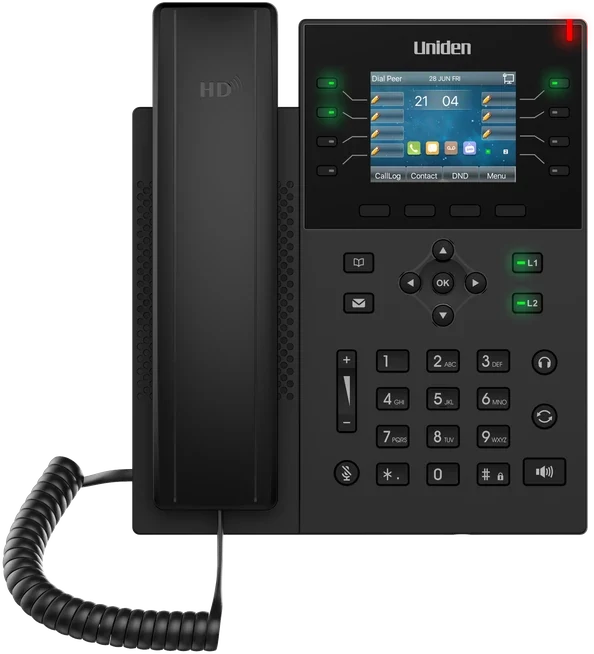
A business phone system is the set of numbers, rules and devices that handles your business calls. The number belongs to the business rather than to a person. The rules decide who rings first, who rings next, what callers hear when you are closed, and where a message goes when nobody picks up. The devices are whatever your people answer on: a desk phone, an app on a computer, or an app on their mobile.
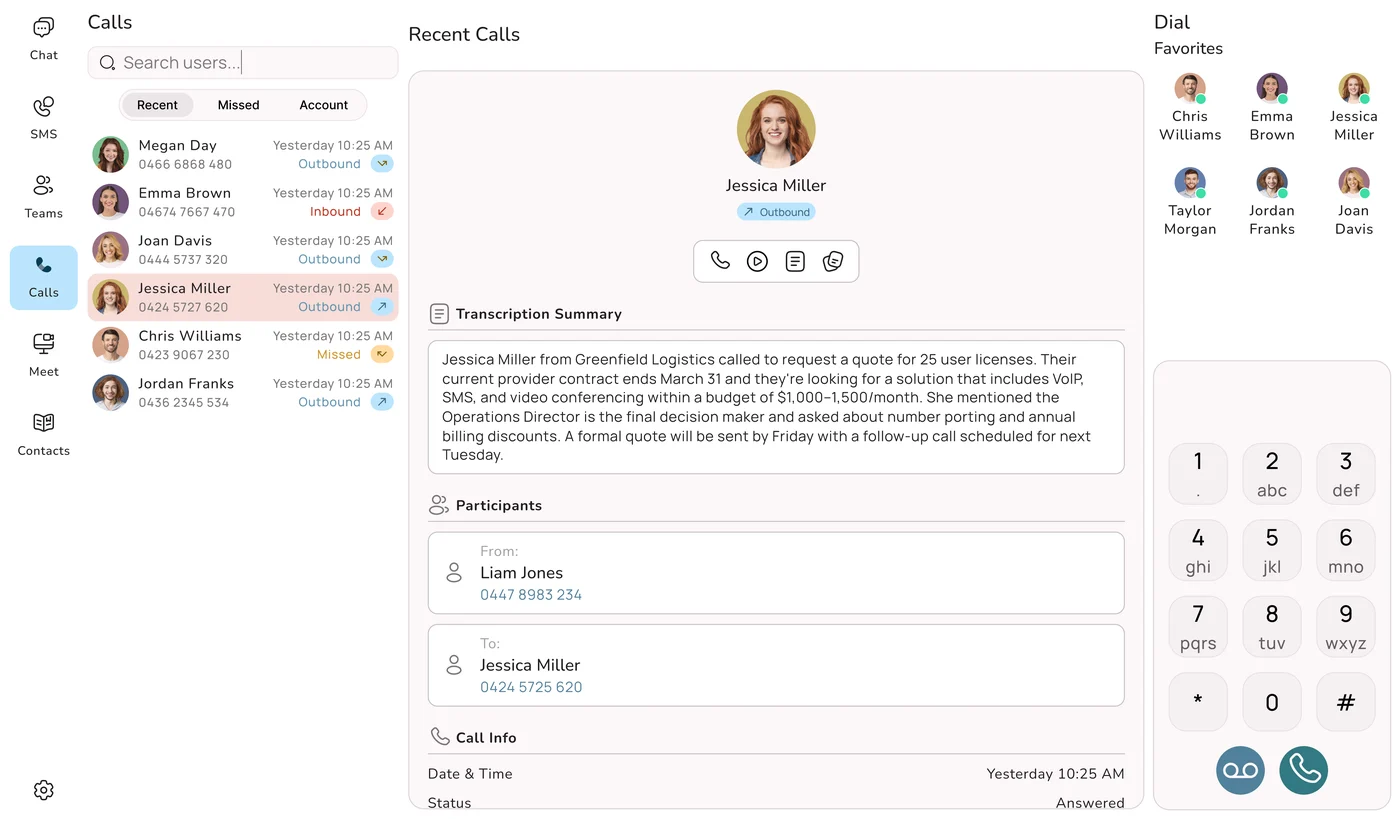
That is the whole idea. Everything else, from menus to call recording to AI answering, is a feature layered on top of those three parts. If you want to see a working example rather than a description, our Uniden Voice business phone system page shows how the pieces fit together for an Australian business.
What a Business Phone System Does That a Mobile Cannot
A personal mobile is a phone for a person. A business phone system is a phone for the business. The difference shows up the moment there is more than one of you, or the moment you are unavailable.
| The situation | On a personal mobile | On a business phone system |
|---|---|---|
| Two people should answer the business number | Not possible without call forwarding tricks | A ring group rings both, or one then the other |
| A customer rings at 9pm | Your personal phone rings, or they hit your personal voicemail | An after hours message, a voicemail box, or an AI answer, as you choose |
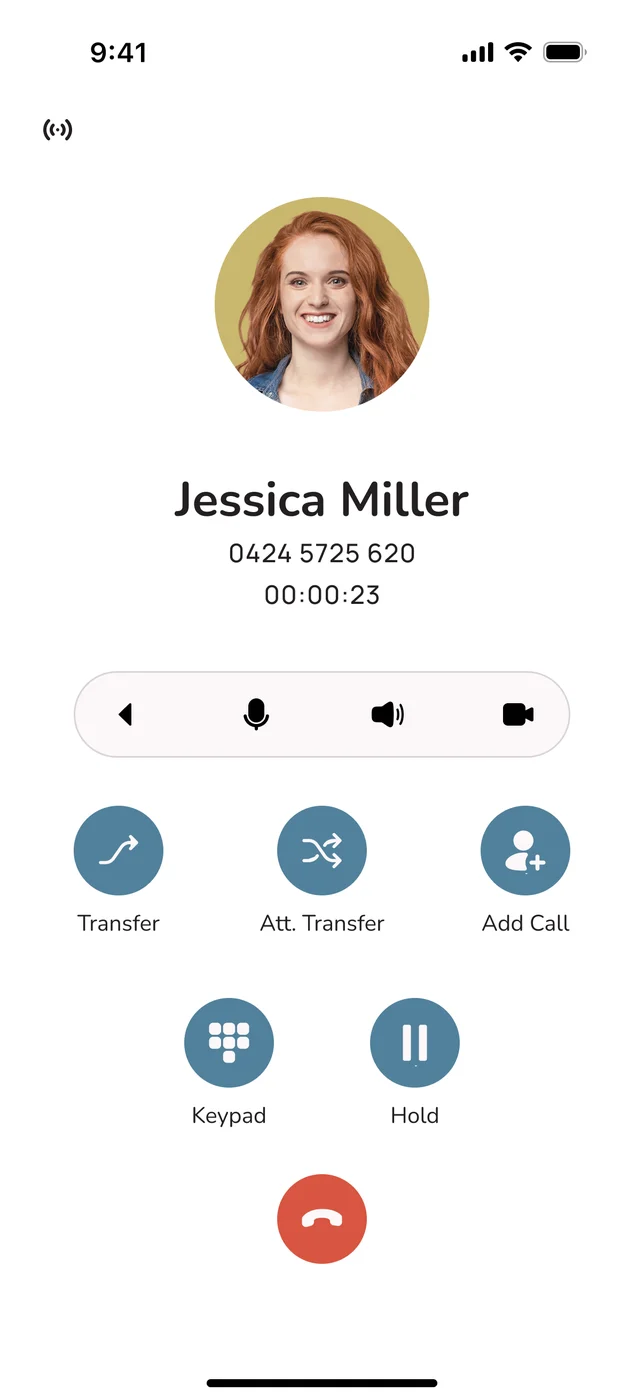
| The call needs someone else | "I'll get them to call you back" | Transfer it, with or without introducing the caller first |
| A staff member leaves | Customers keep ringing their personal number | The business number stays with the business |
| You want to know what was missed | A list of missed calls on one handset | A call log for the whole business, with recordings if enabled |
| You are at your desk, then in the car | One device | The same number on a desk phone, computer and mobile |
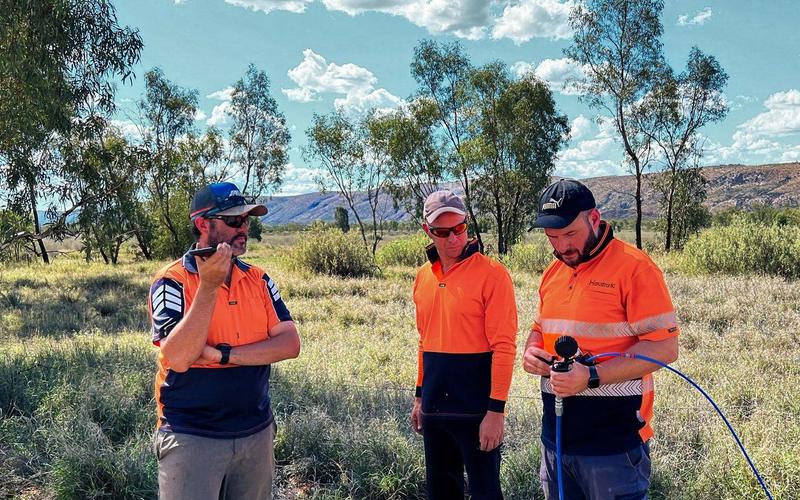
None of this needs a large business to matter. A two person trade business loses jobs the same way a fifty person office does: the phone rings, nobody who can answer it is free, and the caller rings the next name on the list.
Cloud, VoIP, Hosted PBX: One Thing, Several Names
This is where most owners get lost, because providers describe the same product with different words. In 2026, when someone offers you a business phone system, it almost certainly runs over the internet rather than over the old copper phone network. Each name describes that from a slightly different angle.
Cloud phone system
Says where it lives. The system runs in the provider's data centre rather than in a box at your premises.
VoIP
Voice over Internet Protocol. Says how the calls travel: as data over your internet connection.
Hosted PBX
The older industry term. A PBX is the switchboard that routes calls; hosted means the provider runs it for you.
To an owner they are interchangeable. The question that matters is not which label is on the quote, but what the system does, who supports it, and where it is hosted. If you want the technical background, our guide to what a PBX is and how hosted and cloud versions differ goes deeper.
The Three Types of Business Phone System in 2026
You will be offered one of three arrangements. Here they are side by side, honestly.
| On-premise PBX | Hosted business phone system | Mobile-only workaround | |
|---|---|---|---|
| What it is | A switchboard box at your premises, wired to desk phones | The provider runs the system; you use desk phones and apps | Staff mobiles with forwarding and personal voicemail |
| Upfront cost | High: hardware, installation, technician | Low: monthly per user, handsets optional | Close to nil |
| Changes and moves | A technician visit, often billed | From an app or portal, usually same day | Each person changes their own phone |
| Working away from the office | Limited without extra equipment | Built in: the app is the office phone | Yes, but on personal numbers |
| Routing, menus, queues, recording | Yes, configured on site | Yes, configured online | Mostly no |
| Best suited to | Sites with an existing system that still works and a specific reason to keep it | Most Australian businesses from one person upward | A sole trader in the first months, as a stopgap |
The honest summary
For a business choosing today, the hosted business phone system is the default for good reasons: low upfront cost, changes without a technician, and the same number wherever your people work. The on-premise PBX is the legacy option, and the mobile-only arrangement is where many small businesses start and most outgrow within a year.
Why the Old Office Phone System Has Ended
Traditional office phone systems were connected to the copper telephone network through PSTN lines or ISDN services. With Australia's copper PSTN and ISDN retired under the NBN migration, those connections are no longer on offer, and phone services now run over a data connection. An on-premise PBX can still be kept running with adaptors and gateways, but every one of those is another box to maintain, and a hardware failure is a call to a technician rather than a change in a portal.
This is why most quotes you receive will be for a hosted business phone system, and why businesses with a working PBX tend to replace it when the hardware reaches the end of its life rather than repair it. The story of how voice moved from copper to the internet is told in our guide to PSTN, ISDN, VoIP and voice over cloud, and our VoIP versus landline comparison covers the practical differences.
What a Business Phone System Includes
Feature lists run to fifty items. These are the ones that change how a business runs day to day.
| Feature | What it does for you |
|---|---|
| Business numbers | Local, 1300 or mobile numbers that belong to the business. Existing numbers can usually be ported across. |
| Ring groups | One number rings several people at once or in turn, so the first free person answers. |
| Opening hours | Calls follow your trading hours automatically, including public holidays. |
| Menu (IVR) | "Press 1 for bookings, 2 for accounts." Useful once you have teams; optional before that. |
| Queues | Callers wait in order with a message rather than hearing an engaged tone. |
| Transfers | Pass a call to a colleague, announced or straight through, wherever they are working. |
| Voicemail to email | Messages arrive in your inbox as an audio file, so nothing sits unheard on a handset. |
| Call recording | Keep a record of calls for training, disputes or compliance, with notification. See our guide to call recording law in Australia. |
| Desktop and mobile apps | The business number on a computer and a mobile, so the phone system travels with your people. |
| AI answering | An AI agent answers when you cannot, takes details, books or routes the call. Increasingly standard in 2026. |
How a Business Phone System Is Priced
Hosted business phone systems are almost always priced per user per month, sometimes with a minimum number of users, and often with a lower rate on a longer term. On top of that you may see handsets (bought or rented), number porting, setup, call charges outside any included allowance, and add ons such as AI answering or extra numbers. Some providers include most of these; others charge for each.
The figure that matters is the total over the term, not the headline per user rate, which is why we built a business phone system cost worksheet that adds up every line. For reference, Uniden Voice business phone plans start from $84.90 a month with three users included on a 36-month term, with free setup and free number porting.
Which Business Phone System Setup Does Your Business Need?
Size is a better starting point than features, because it decides which features you will actually use.
| Your business | What you need | What you can skip for now |
|---|---|---|
| Sole trader | A business number on your mobile through an app, opening hours, voicemail to email, and something better than personal voicemail after hours | Menus, queues, desk phones |
| 3 to 20 staff | Ring groups, transfers, an app or desk phone per person, a call log, and a clear after hours path | Complex menus and contact centre tools, unless callers regularly wait |
| 20 staff and growing | Menus or teams, queues at busy times, call recording, reporting, and integration with your CRM or job system | Very little; this is where the full system pays for itself |
| More than one site | One system across every site, so calls transfer and overflow between locations and everyone shares a directory | A separate phone system per site, which is the thing to avoid |
Starting a business from scratch has its own short list, covered in our guide to setting up a phone for a new business. Running several locations is covered in multi-site and franchise phone systems.
Five Things That Matter When You Choose a Business Phone System
- Who supports it, and where. When something goes wrong at 8:30 on a Monday, you want a person in your time zone who knows the system.
- Where it is hosted. Recordings, voicemail and call records are business data. For many industries, keeping them in Australia matters.
- The total cost over the term. Add up handsets, setup, porting, calls and add ons, not just the per user rate.
- How easy it is to change. Can you update opening hours or add a person yourself, today, without a ticket?
- Whether you can try it first. A good provider will let you click through the apps or run a demo on your own call flow before you commit.
We expand these into a full list in 20 questions to ask before you choose a business phone system, and our comparison of the best business phone systems in Australia sets the main providers side by side. When you are ready to set one up, follow how to set up a business phone system.
Where Uniden Voice Fits
Uniden Voice Over Cloud is a business phone system designed, built, hosted and supported in Australia, from a brand Australians have trusted since 1966. It brings together the three parts described at the top of this guide: business numbers you can port in for free, call rules you can change online, and devices that range from Uniden desk phones such as the EVOC2 to free apps for Windows, Mac, Linux, iPhone and Android. AI Agents are built in for the calls nobody can take, and business NBN can sit on the same bill.
You do not have to take our word for how it works. The desktop app and mobile app both have live demos that run in your browser, with no download or sign up. If you would like to see it set up around your own calls, a demo takes thirty minutes, and we explain why we think Uniden Voice leads Australian business phone systems in more detail elsewhere.